Whether you are a wildlife enthusiast, photographer, birder, or adventure traveler, this guide covers everything you need to know about planning a Snow Leopard Safari in India.
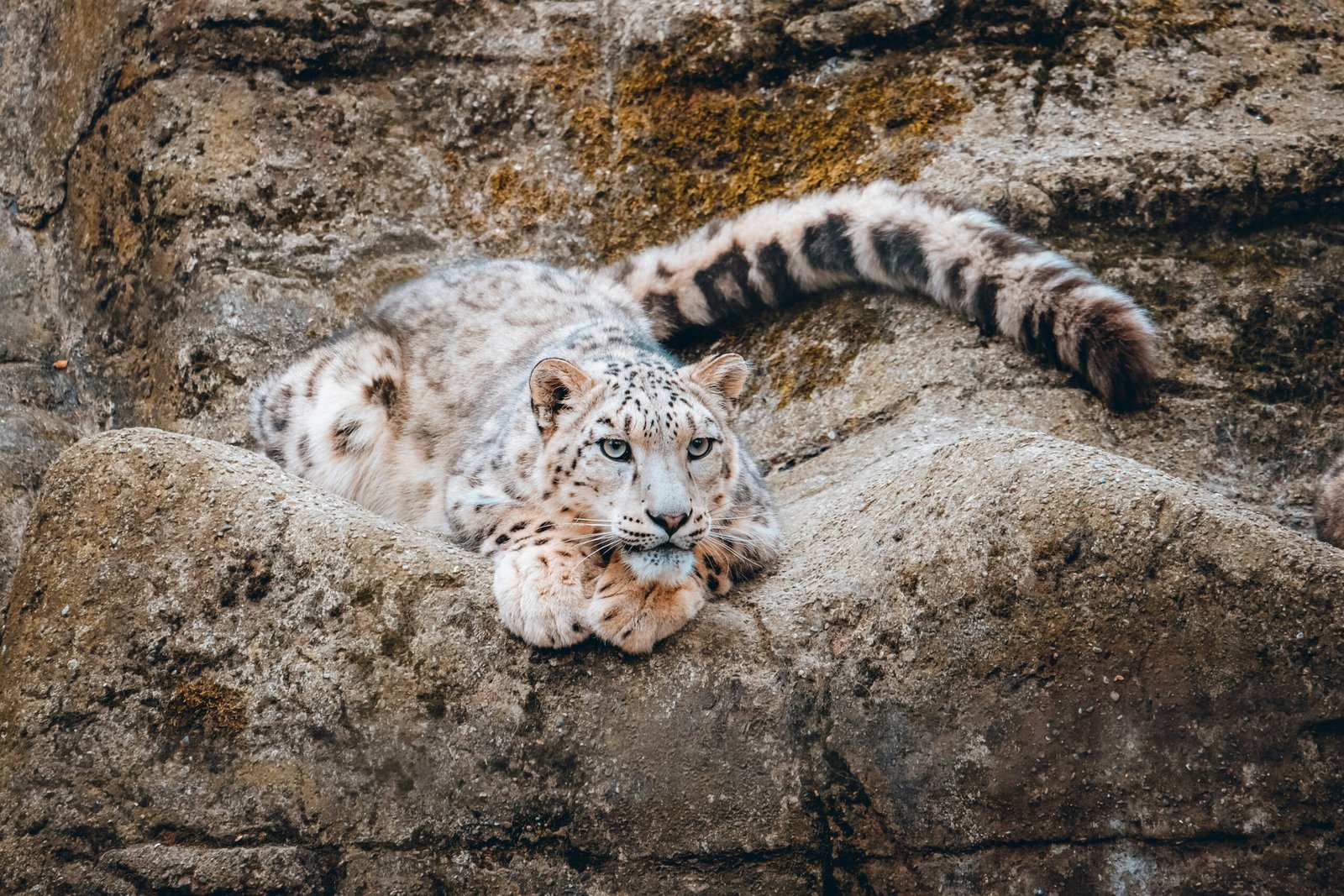
Imagine scanning vast Himalayan cliffs through a spotting scope, searching for movement among the rocks. Suddenly, a pale grey silhouette emerges against the snow-covered mountains—a Snow Leopard. Often called the “Ghost of the Himalayas,” this elusive big cat is one of the world’s most sought-after wildlife sightings and a dream subject for wildlife photographers.
India is widely regarded as one of the best places on Earth to see Snow Leopards in the wild. With its rugged landscapes, experienced trackers, thriving prey populations, and increasing conservation efforts, the Indian Himalayas offer unparalleled opportunities for Snow Leopard safaris.
Quick Answer: Where Can You See Snow Leopards in India?
The best place to see Snow Leopards in India is Hemis National Park in Ladakh. Other promising regions include the Ulley Valley, Rumbak Valley, and parts of Spiti Valley in Himachal Pradesh.
Top Snow Leopard Destinations in India
- Hemis National Park, Ladakh
- Ulley Valley, Ladakh
- Rumbak Valley, Ladakh
- Spiti Valley, Himachal Pradesh
- Kibber Wildlife Sanctuary
- Changthang Wildlife Sanctuary
Among these, Hemis National Park is considered the global capital for Snow Leopard tracking and photography.
What Makes the Snow Leopard So Special?
The Snow Leopard (Panthera uncia) is one of the most elusive big cats in the world. Adapted to life in high-altitude mountain ecosystems, it inhabits elevations ranging from 3,000 to over 5,500 meters.
Snow Leopard Facts
- Scientific Name: Panthera uncia
- Weight: 25–55 kg
- Lifespan: 15–18 years in the wild
- Habitat: High-altitude mountains and alpine regions
- Diet: Bharal (Blue Sheep), Ibex, Marmots, and smaller mammals
- Conservation Status: Vulnerable (IUCN)
Unlike tigers and leopards, Snow Leopards rarely roar. Their exceptional camouflage and solitary nature make sightings incredibly rewarding.
Why India Is One of the Best Countries for Snow Leopard Safaris
India offers several advantages for Snow Leopard enthusiasts:
High Sighting Opportunities
Over the last decade, conservation initiatives and community-based tourism have significantly improved Snow Leopard populations and tracking success.
Experienced Local Trackers
Local communities in Ladakh have developed world-renowned tracking expertise, helping visitors locate Snow Leopards ethically and responsibly.
Stunning Himalayan Landscapes
A Snow Leopard safari combines wildlife viewing with breathtaking mountain scenery, making it one of the most visually spectacular wildlife experiences in the world.
Excellent Photography Opportunities
The open terrain of Ladakh allows photographers to capture Snow Leopards in their natural habitat without dense vegetation obstructing views.
Best Time to See Snow Leopards in India
Peak Season: January to March
The winter months provide the highest chances of Snow Leopard sightings.
During this period:
- Snow pushes prey species to lower elevations.
- Snow Leopards follow their prey.
- Visibility improves due to reduced vegetation.
- Fresh tracks are easier to locate.
Month-by-Month Guide
December
- Beginning of Snow Leopard season.
- Moderate sighting opportunities.
January
- Excellent tracking conditions.
- Increasing Snow Leopard activity.
February
- Considered one of the best months.
- Peak photography opportunities.
March
- High sighting success rates.
- Slightly milder weather.
April
- End of primary Snow Leopard tracking season.
What Are the Chances of Seeing a Snow Leopard?
Many travelers ask:
Can you actually see a Snow Leopard on safari?
Yes.
While sightings can never be guaranteed, professionally guided expeditions in Ladakh often achieve success rates between 60% and 90%, depending on weather conditions, location, and trip duration.
Longer expeditions generally increase the likelihood of sightings.
A recommended duration is 7–10 days.
Hemis National Park: The Best Snow Leopard Safari Destination
Hemis National Park is the crown jewel of Snow Leopard tourism.
Why Hemis Is Famous
- One of the highest densities of Snow Leopards in the world.
- Vast protected habitat.
- Strong conservation efforts.
- Exceptional tracking network.
Wildlife Found in Hemis
Apart from Snow Leopards, visitors may encounter:
- Himalayan Wolf
- Eurasian Lynx
- Red Fox
- Tibetan Hare
- Blue Sheep (Bharal)
- Asiatic Ibex
- Golden Eagle
- Lammergeier
For wildlife photographers, Hemis offers incredible opportunities beyond Snow Leopards.
Snow Leopard Photography Guide
Photographing Snow Leopards is one of wildlife photography’s ultimate challenges.
Recommended Camera Gear
Camera Bodies
- Canon R5 Mark II
- Nikon Z8
- Sony A1
- Canon R3
- Nikon Z9
Lenses
- 400mm f/2.8
- 500mm f/4
- 600mm f/4
- 100–500mm zoom
- 200–600mm zoom
Essential Accessories
- Tripod
- Gimbal head
- Extra batteries
- Lens rain cover
- Binoculars
- Spotting scope
Photography Tips
- Be patient.
- Listen to trackers.
- Scan ridgelines continuously.
- Dress warmly to remain comfortable during long observation sessions.
- Keep camera settings ready for sudden sightings.
What Wildlife Can You See Besides Snow Leopards?
A Snow Leopard safari is also an exceptional Himalayan wildlife expedition.
Mammals
- Himalayan Wolf
- Asiatic Ibex
- Bharal (Blue Sheep)
- Red Fox
- Woolly Hare
- Mountain Weasel
Birds
- Golden Eagle
- Himalayan Griffon
- Lammergeier
- Chukar Partridge
- Snow Pigeon
- Tibetan Snowcock
Many wildlife photographers return with portfolios featuring multiple rare Himalayan species.
How Difficult Is a Snow Leopard Safari?
Snow Leopard expeditions are more demanding than traditional tiger safaris.
Challenges Include
- High altitude
- Cold temperatures
- Long observation periods
- Occasional short treks
Required Fitness Level
Moderate fitness is generally sufficient.
Most sightings occur through spotting and observation rather than strenuous trekking.
However, travelers should be comfortable at elevations between 3,500 and 4,500 meters.
What Should You Pack?
Clothing
- Thermal base layers
- Down jacket
- Waterproof shell jacket
- Insulated gloves
- Woolen cap
- Neck gaiter
Equipment
- Binoculars
- Camera gear
- Power banks
- Sunglasses
- Personal medications
Footwear
- Waterproof trekking boots
- Warm wool socks
Temperatures can drop below -20°C during peak winter.
Snow Leopard Conservation in India
Snow Leopards face multiple threats:
- Habitat fragmentation
- Climate change
- Human-wildlife conflict
- Reduction in prey populations
Fortunately, conservation programs in Ladakh have become global success stories.
Community-based tourism now provides income for local villagers, creating incentives to protect Snow Leopards and their habitat.
Responsible tourism directly contributes to conservation efforts.
Frequently Asked Questions
Where is the best place to see Snow Leopards in India?
Hemis National Park in Ladakh is considered the best destination for Snow Leopard sightings.
What is the best month to see Snow Leopards?
February is often regarded as the best month due to optimal snow conditions and increased Snow Leopard activity.
How much does a Snow Leopard safari cost?
Luxury Snow Leopard safaris generally range from ₹2,50,000 to ₹8,00,000+ per person depending on accommodation, duration, and group size.
How many days are needed for a Snow Leopard safari?
A minimum of 7 days is recommended, while 10–12 days offers better sighting opportunities.
Are Snow Leopards dangerous to humans?
Snow Leopards are shy and elusive animals. Encounters with humans are extremely rare, and attacks are exceptionally uncommon.
Can beginners join a Snow Leopard safari?
Yes. Most expeditions are suitable for wildlife enthusiasts and photographers with moderate fitness levels.
Plan Your Snow Leopard Safari with Wild Trace Safari
For wildlife lovers seeking one of the world’s most extraordinary big cat experiences, few adventures compare to tracking the Ghost of the Himalayas across Ladakh’s dramatic mountain landscapes.
At Wild Trace Safari, we design carefully curated Snow Leopard expeditions led by expert naturalists, experienced trackers, and wildlife photography specialists. From luxury wildlife journeys to dedicated photography expeditions, our Snow Leopard safaris provide unforgettable opportunities to witness one of nature’s most elusive predators in its natural habitat.
If spotting a Snow Leopard is on your wildlife bucket list, there is no better time to start planning your Himalayan adventure.